
South King County
Landscaping & Hardscaping in Kent, WA
Quick answer
Blue Landscaping Services works out of a shop on Kent's East Hill, roughly ten minutes from most addresses in the city. We build retaining walls, paver patios, drainage and irrigation for both halves of Kent: glacial till and hardpan up on the hills, slow-draining alluvial soil down on the Green River valley floor.
- From our Kent shop
- about 10 minutes
- ZIP codes served
- 98030, 98031, 98032, 98042
- Licensed in WA
- Bonded & insured
Kent is really two cities stacked on each other. The work splits along the same line. The Green River valley floor sits at about 30 feet of elevation. Flat, warehouse-heavy, with older houses in pockets like Riverview and North Park. East Hill and West Hill climb three to five hundred feet above that. Our shop is on East Hill off 116th Avenue SE, so most of the city is a ten-minute drive from the door. When a drain outlet plugs up in November, we're usually the crew that can swing back out the same week.
The houses tell you what's in the ground before anyone digs. East Hill filled in through the 1960s, 70s and 80s. Quarter-acre plats, builder cuts a flat pad, pushes the spoils toward the back of the lot. Decades later that pushed fill is what you're standing on when you ask why the yard drops six feet to the fence. Panther Lake came into the city with the 2010 annexation. A lot of it still has unincorporated-era drainage. Roadside ditches, no tightlines, downspouts dumping straight onto the turf. Scenic Hill above downtown is older and tighter. Houses from the 1920s through the 1940s, on lots narrow enough that getting a mini excavator to the back yard is a real conversation.
Up on the hill we hit Alderwood till. Eighteen to thirty-six inches of workable soil, then a dense hardpan a shovel bounces off. Water doesn't go through it. It runs sideways across the top. That's why so many Kent back yards have one corner that stays soft from November through March. It's also why so many eighties rockeries are leaning out with nothing but native dirt behind them. Down on the valley floor you get the opposite problem. Alluvial silt loam over old river deposits, a winter water table within a few feet of the surface, and a fine silt that'll pump into soup under a plate compactor if you try to compact it wet.
That changes how we build. A patio on East Hill gets a standard compacted crushed base and a drain path cut through the hardpan to a real daylight point. The same patio in the valley gets separation fabric under a thicker base section, so silt can't migrate up into the rock. Finish grade gets an honest fall away from the house. Fence posts on the hill often want a rock auger. Fence posts on the flats, we're watching how high the water sits in February.
For planting we stick with things that take a Kent winter without sulking. Sword fern and salal under whichever Douglas firs survived the subdivision. Evergreen huckleberry along a north fence. Vine maple and hydrangea where there's some light. Kinnikinnick over a hot slope of exposed till. Irrigation on East Hill often ties into Soos Creek Water and Sewer District or King County Water District 111 instead of City of Kent water. Every system we put in gets a backflow assembly and a test.
Ground conditions in Kent
Kent is split by about 400 feet of elevation. East Hill and West Hill sit on Vashon glacial till, usually Alderwood gravelly sandy loam. Somewhere between 18 and 36 inches down you hit a cemented hardpan layer. It carries load fine, but water barely moves through it. Winter rain perches on top and travels sideways. That's where the soggy corners and the failed rockeries come from. The Green River valley floor is the opposite. Deep alluvial silt loam the river laid down, poorly drained, with a seasonal water table that can sit within three or four feet of the surface. Valley silt loses strength when it's saturated, so base sections down there get separation fabric and more depth than a hill job needs. Both sides of the city have a lot of builder fill on lots platted in the 1970s and 80s. We probe for it before we price any wall.
Permits
Work inside the city goes through the City of Kent Permit Center downtown on West Gowe Street. A retaining wall over 4 feet, measured from the bottom of the footing to the top of the wall, needs a permit and stamped structural engineering. In practice that threshold drops as soon as the wall picks up a surcharge from a driveway, a slope, or a structure above it. Kent also runs its own surface water design manual, adapted from King County's. Add impervious surface past the review threshold and a patio or driveway can land in drainage review even when the hardscape itself is exempt. Grading volume triggers its own review. So does work in a mapped erosion or landslide hazard area, or anything near the Green River levees or a stream buffer like Mill Creek or Garrison Creek. Fences 6 feet and under in a side or rear yard generally don't need a permit, though corner and driveway sight-distance rules still apply. Thresholds get revised. We confirm scope with the city at permit time instead of guessing from the last job.
Neighborhoods we work in
- East Hill
- Scenic Hill
- Panther Lake
- Lake Meridian
- West Hill / Midway
- Park Orchard
- Riverview
Services we offer in Kent
Most requested in Kent
Projects in and around Kent
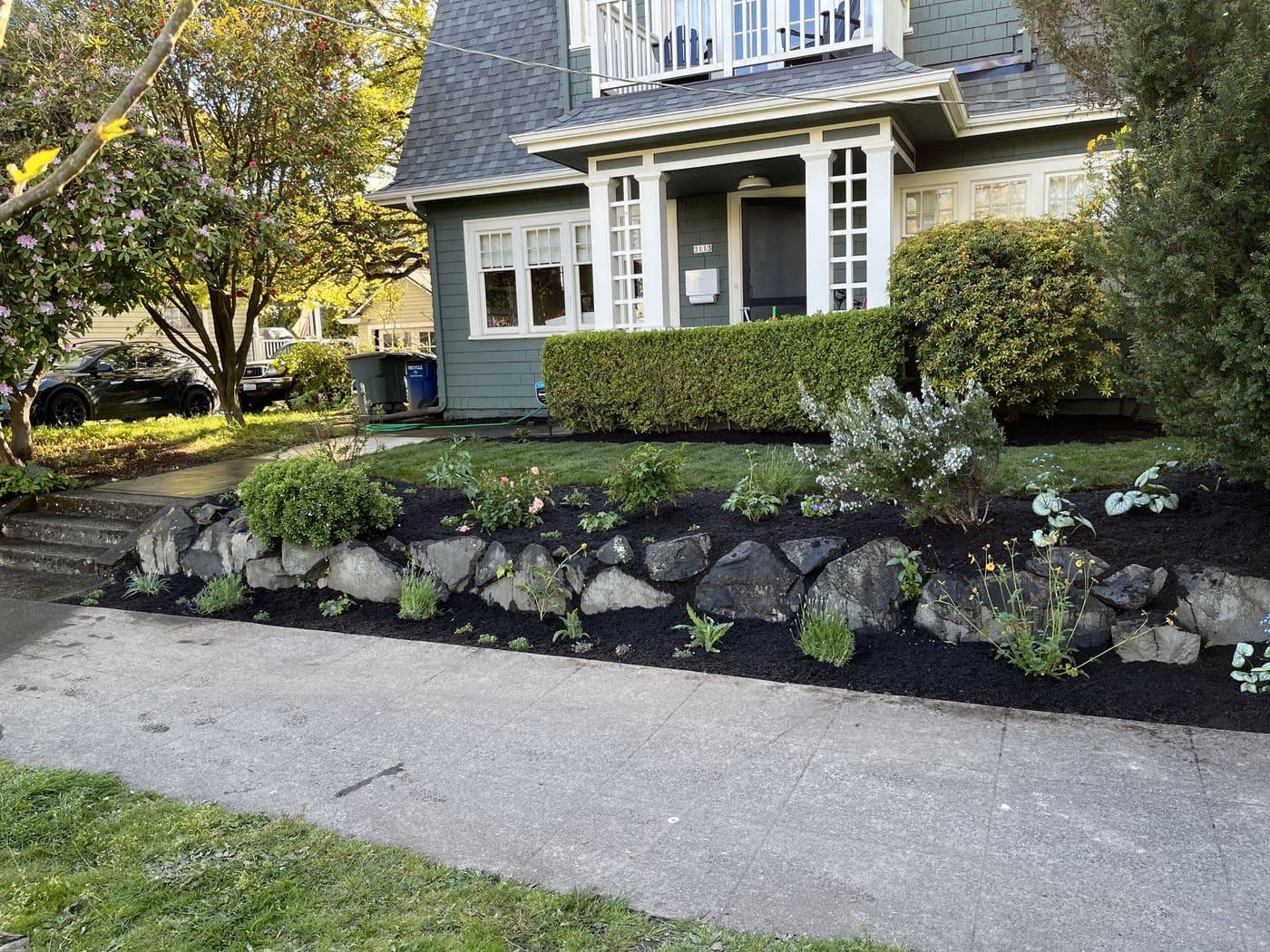
Front Yard Renovation
Walkways & Pathways · Kent
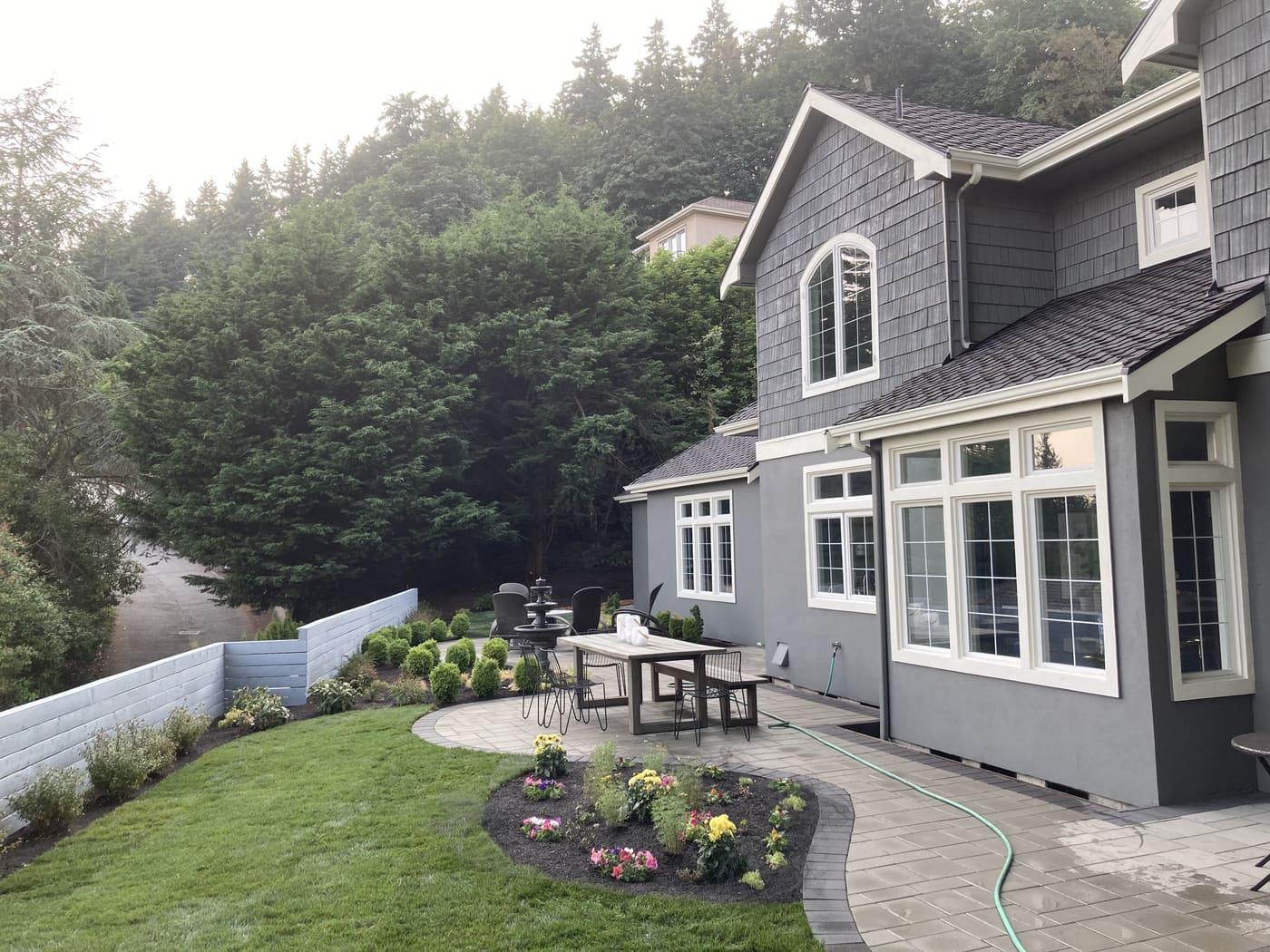
Modern Patio Design
Paver Patios · Kent
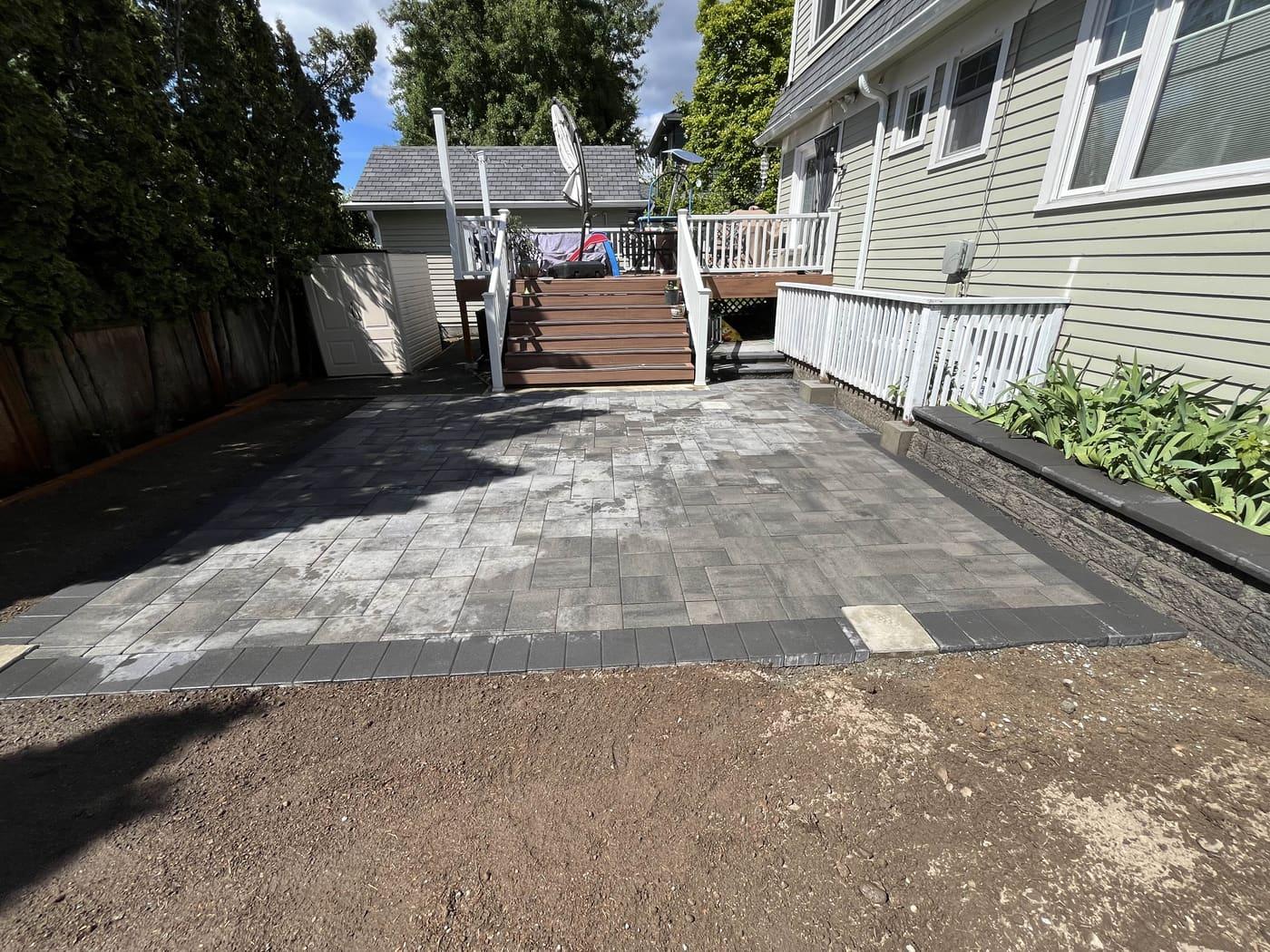
Backyard Patio & Irrigation
Paver Patios · Kent
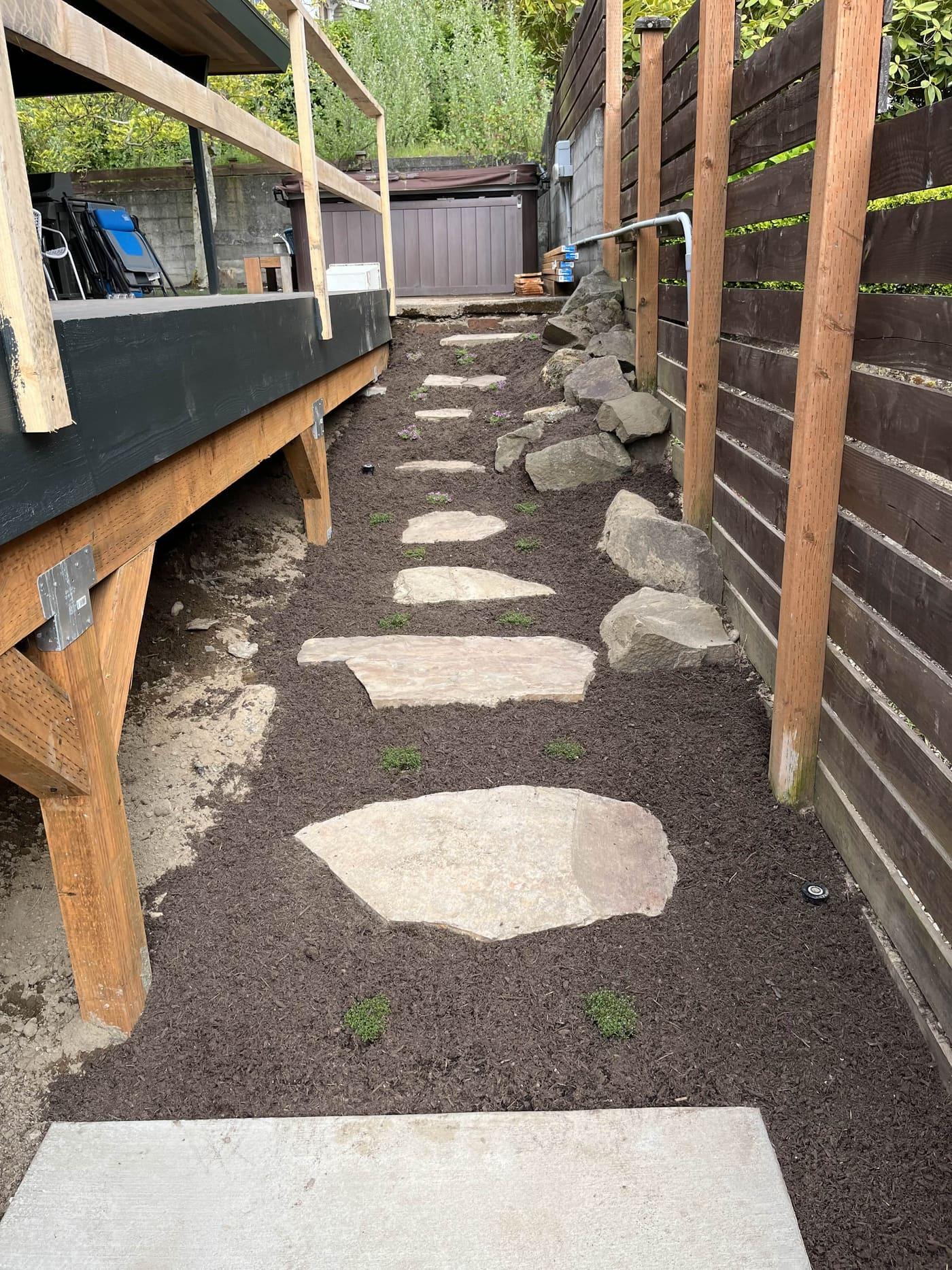
Modern Stepping Stone Pathway
Walkways & Pathways · Kent
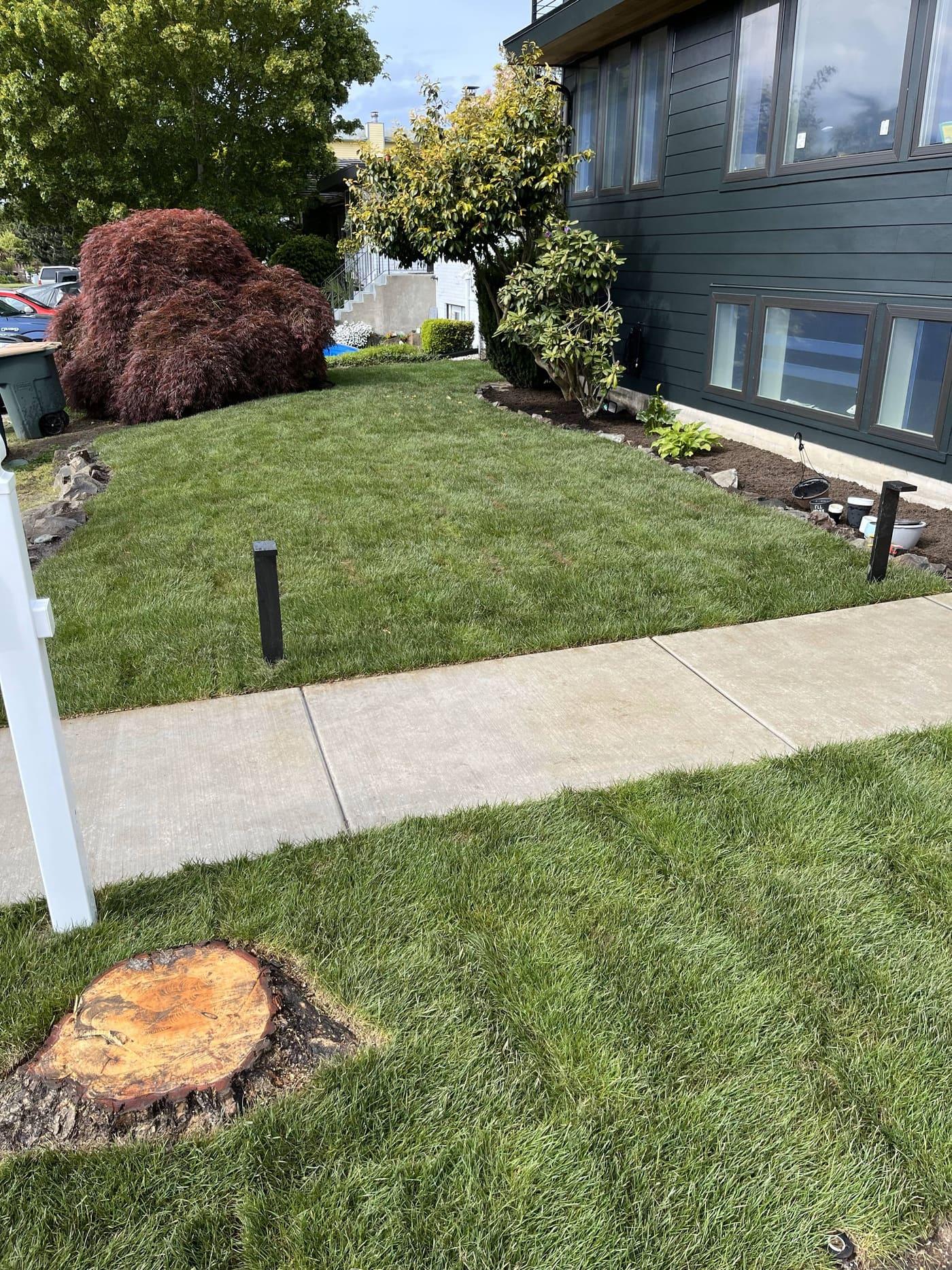
Sod Installation & Landscape Lighting
Sod Installation · Kent
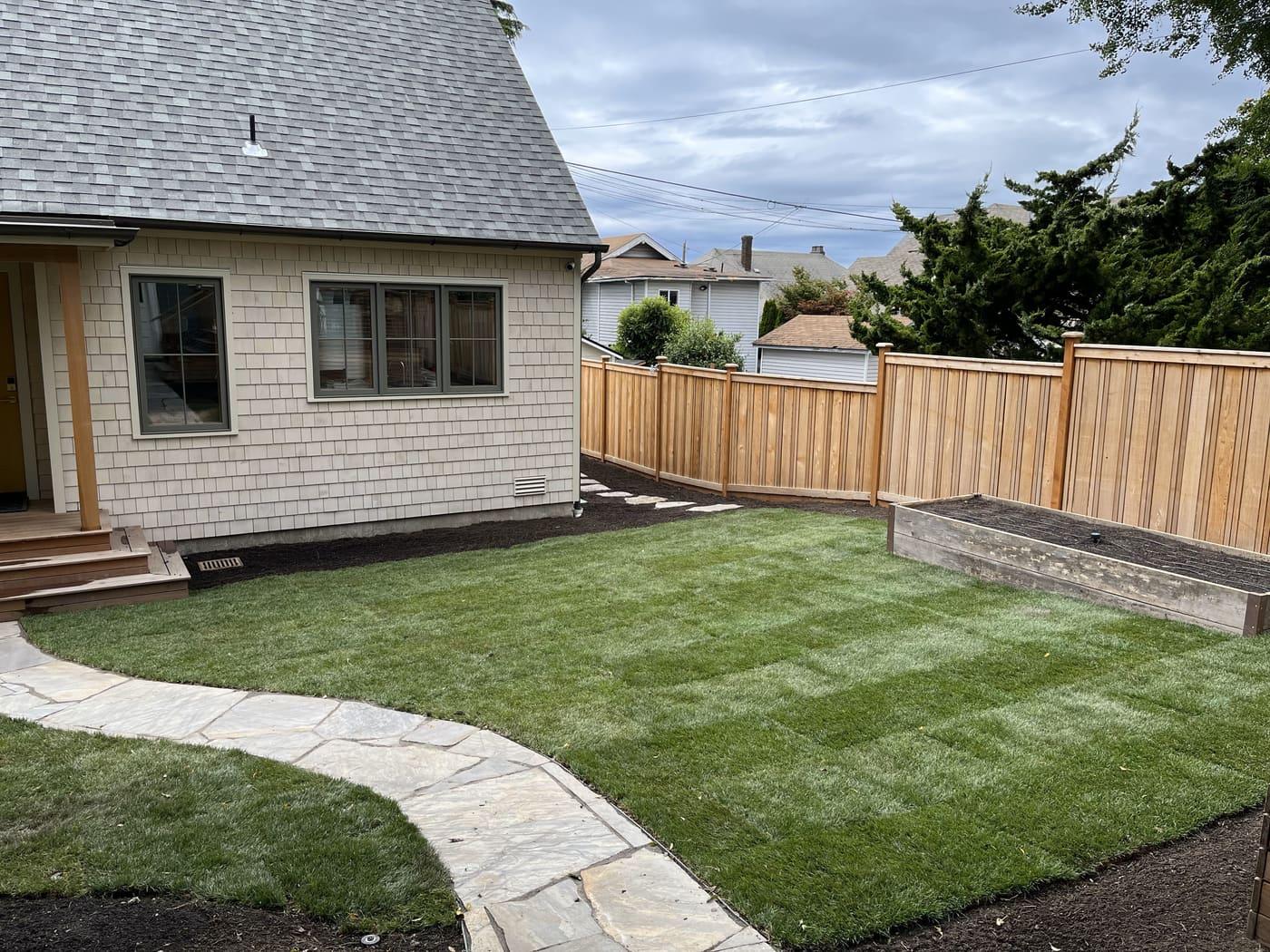
Custom Entry Design
Planting & Design · Kent
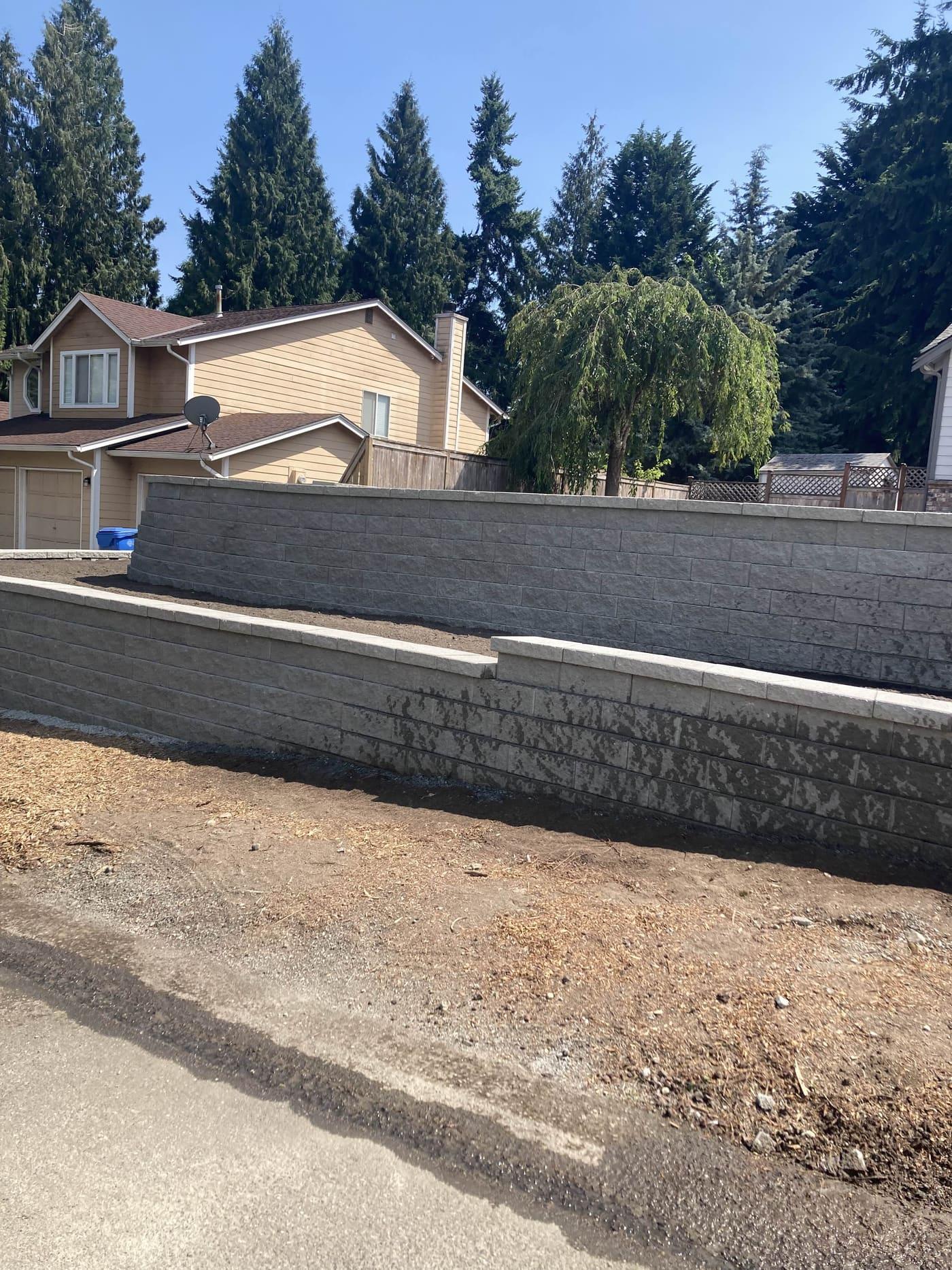
Stone Retaining Wall
Retaining Walls · Kent
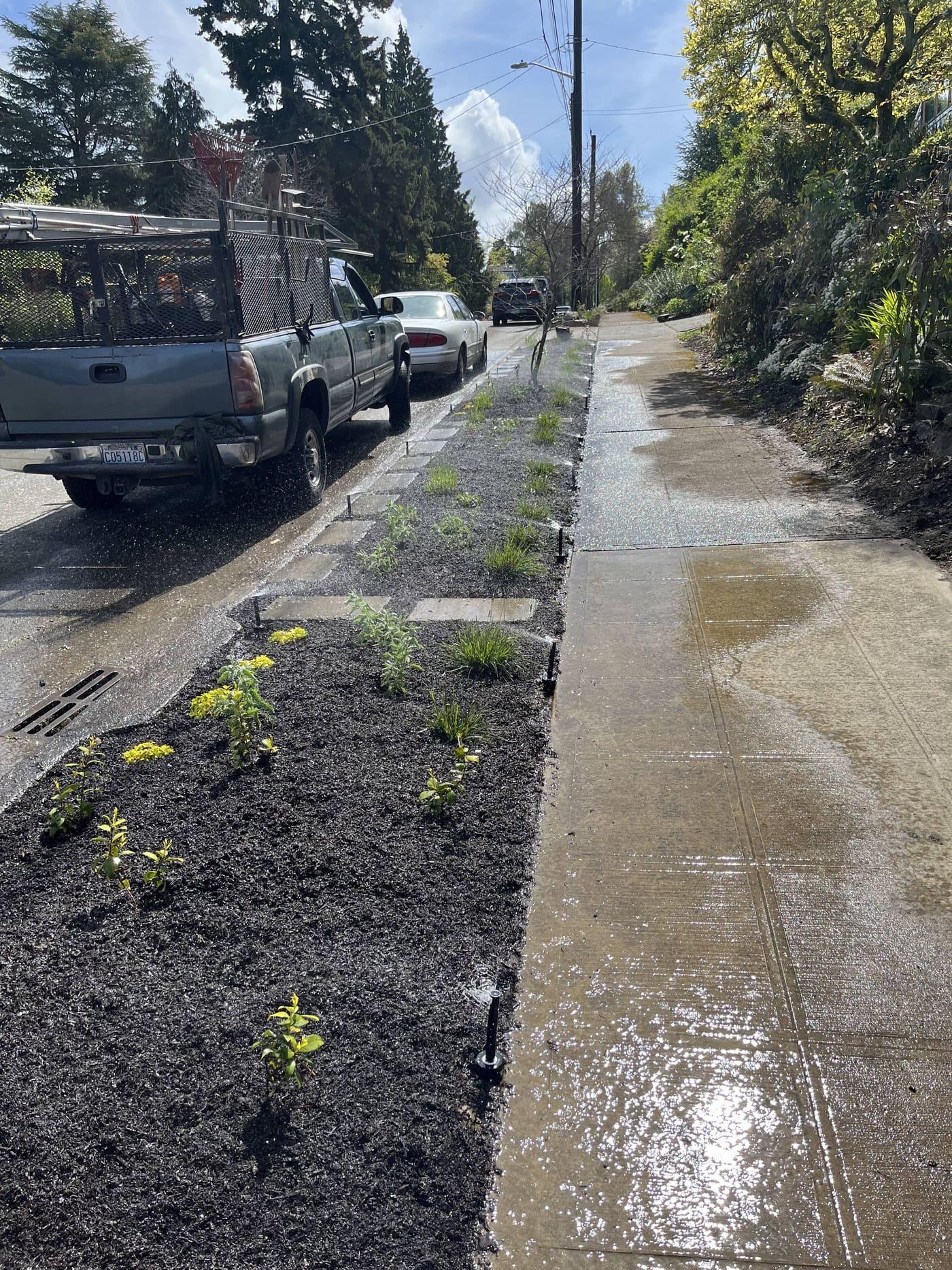
Professional Irrigation System
Sprinkler Installation · Kent
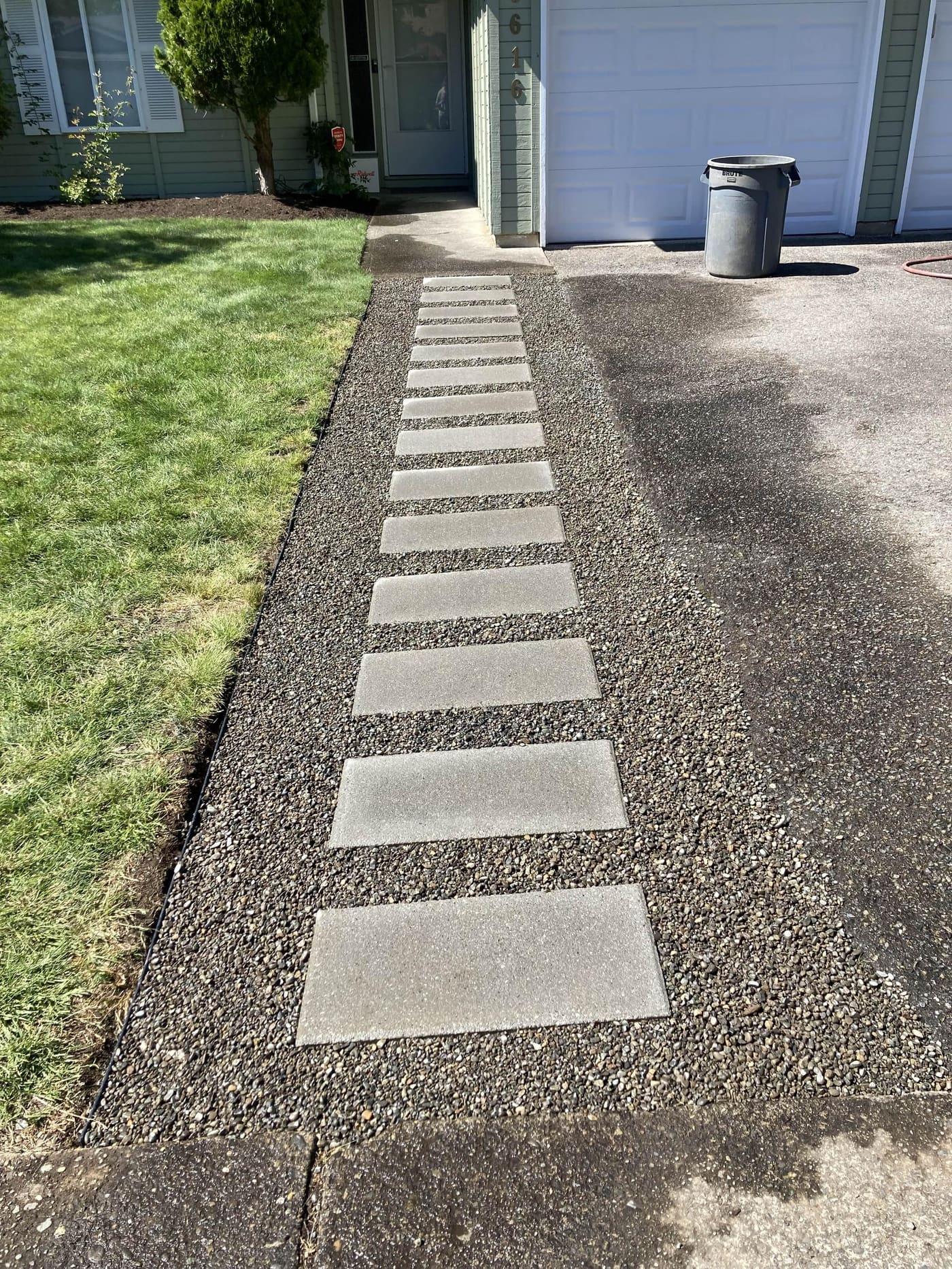
Contemporary Driveway Pathway
Driveways · Kent
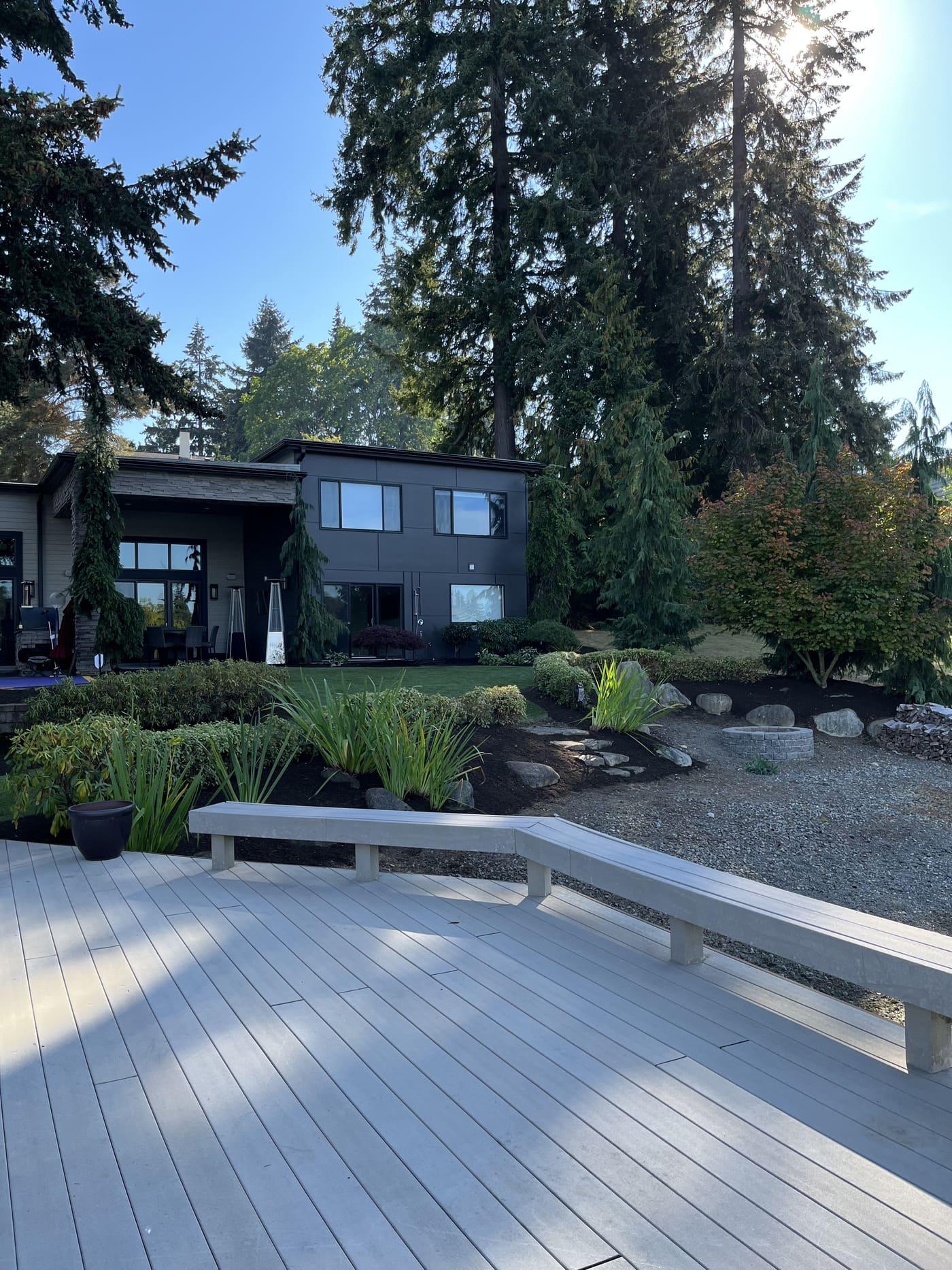
Modern Planting Design
Planting & Design · Kent
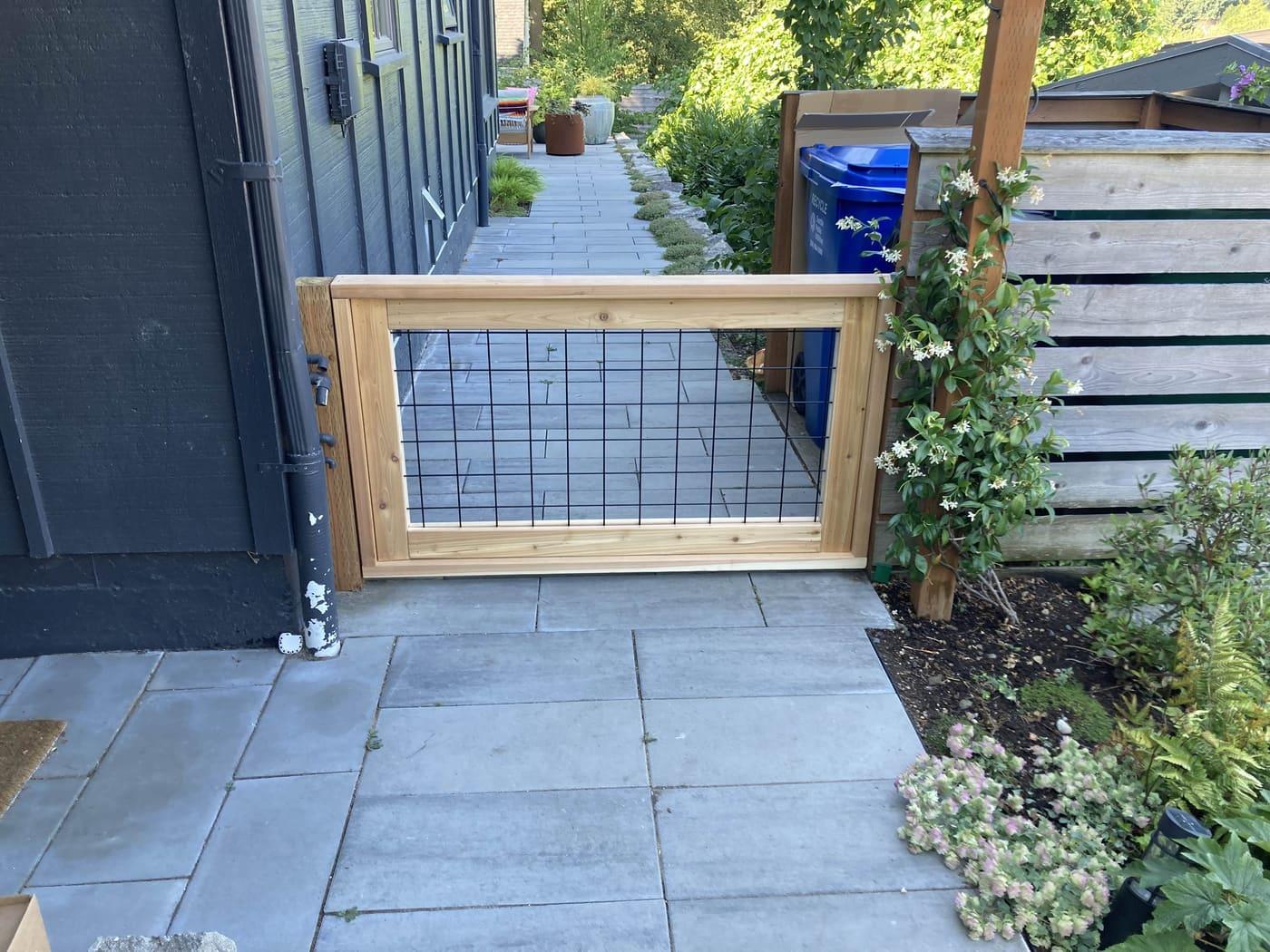
Modern Gate Installation
Fencing · Kent
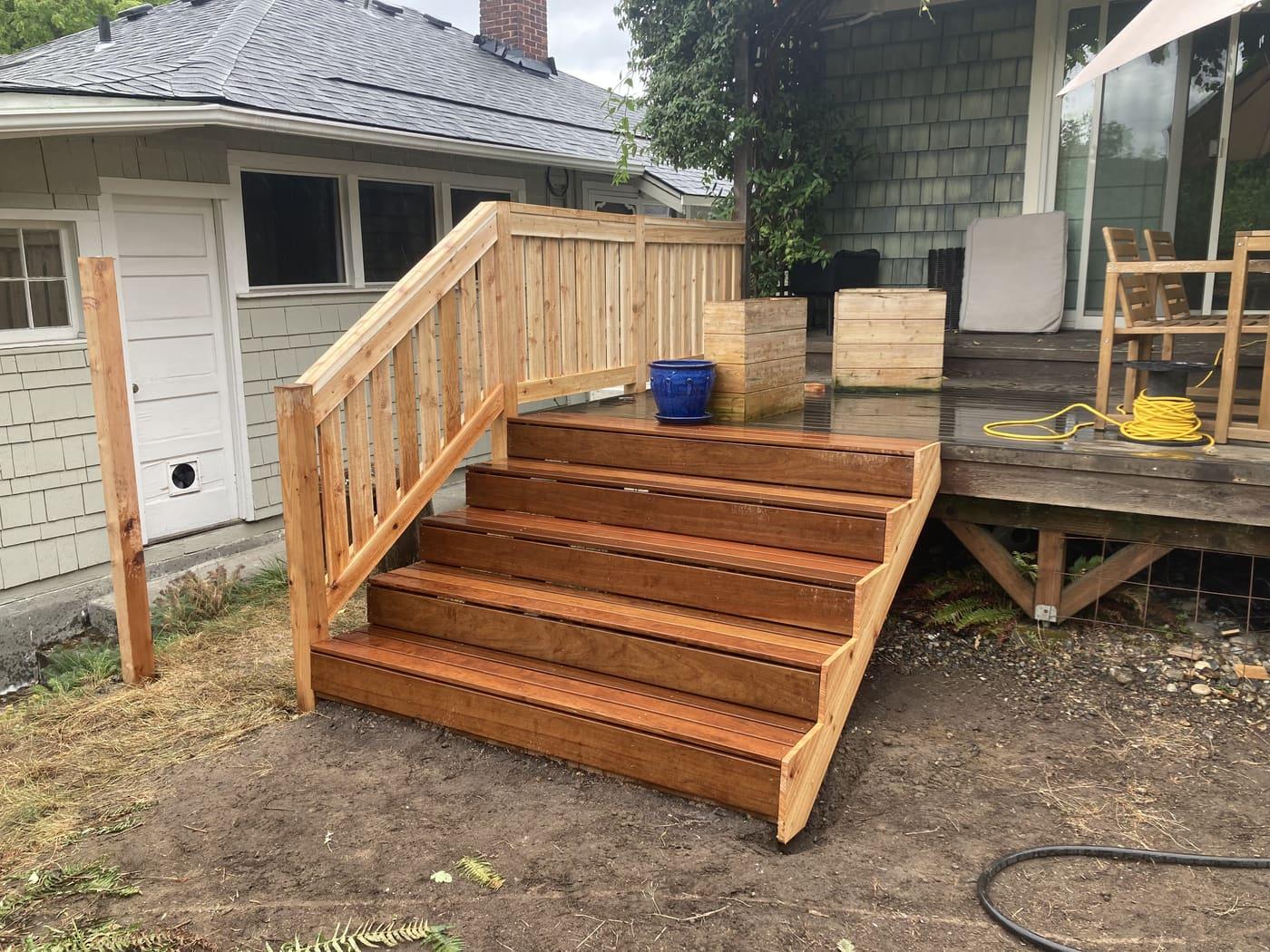
Custom Deck Stairs
Outdoor Steps · Kent
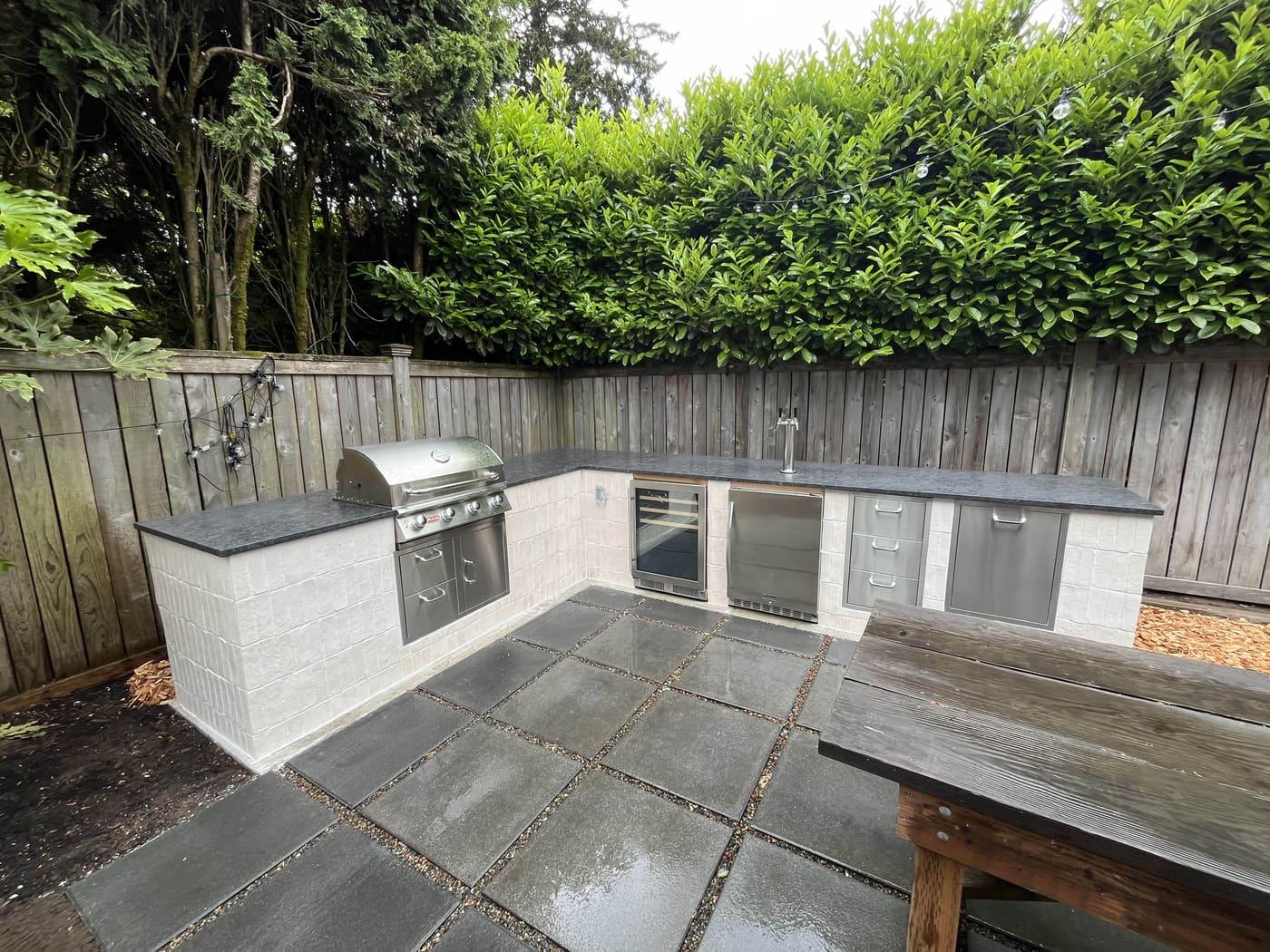
Luxury Outdoor Kitchen
Fire Features · Kent
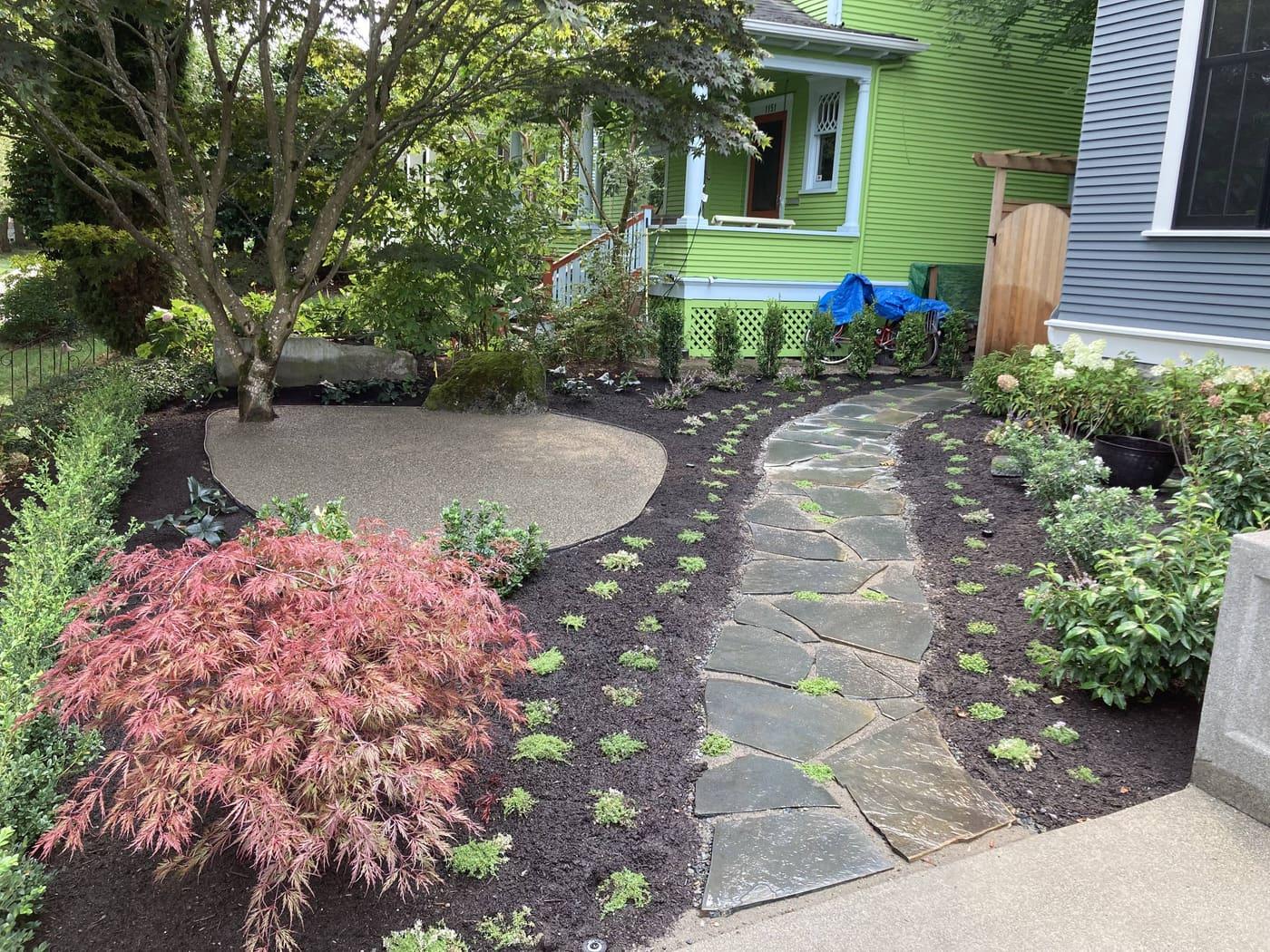
Custom Planting Design
Planting & Design · Kent
Kent: common questions
Do I need a permit for a retaining wall in Kent?
Usually not, if the wall is under 4 feet from the bottom of the footing to the top and nothing surcharges it. Clear 4 feet, or hold up a driveway or a slope, and the City of Kent wants a building permit with stamped engineering. Mapped landslide and erosion hazard areas change the answer too. We check the parcel before we quote and confirm with the Permit Center.
Why does one corner of my East Hill yard stay wet until spring?
Almost always hardpan. The glacial till under East Hill barely lets water through. Once the top 18 to 30 inches of soil saturates in November, the rest of the winter's rain sits on that layer and creeps downhill until it finds a low spot in your lawn. More topsoil won't fix it. You have to cut a drain path through or across that perched water and give it somewhere legal to exit.
Can you build a patio down on the valley floor?
Yes. We do it regularly in Riverview and the neighborhoods off Central Avenue. Valley silt needs a different base section than the hills. Woven separation fabric, more crushed rock, and compaction worked around the weather instead of forced through it. Expect a valley patio to sit at the upper end of the typical Puget Sound installed range, roughly $28 to $45 per square foot. That's a market range, not a quote.
Who tests the backflow device on a Kent sprinkler system?
Depends which purveyor serves your address. Much of East Hill is on Soos Creek Water and Sewer District or King County Water District 111. The valley and downtown are on City of Kent water. All of them require an approved backflow assembly on an irrigation connection and an annual test by a certified tester. We install the assembly to the district spec and tell you who your annual notice will come from.
How quickly can you get to a job in Kent?
The shop is on East Hill. Nothing in the city is more than about fifteen minutes out, and most addresses are closer to ten. That matters less for scheduling a build than for the callbacks. A blown sprinkler zone in July, or a plugged drain outlet in a December storm. We can come look at it without you waiting two weeks for a crew coming down from the north end.