
Services
Irrigation & Sprinkler Systems in Seattle & Kent, WA
Quick answer
Blue Landscaping Services installs, repairs and winterizes residential sprinkler systems across South King County. New systems are zoned by sun exposure and plant type, include a code-required backflow assembly, and are pressure-tested before backfill. Fall blowouts run September through November, before the first hard freeze.
Everyone assumes a place this wet does not need sprinklers. Then July shows up, six weeks go by without real rain, and the lawn that looked great in May turns brown. Our rain nearly all falls in the winter half of the year. Anything you planted in the last two seasons will not make it through that stretch on its own.
The difference between a system that works and one that does not is zoning. Sunny turf, shaded beds and new plants all want different amounts of water on different days. Put them on one valve and you will drown something while something else dies. We split them up and set a schedule you can leave alone.
Washington requires a backflow assembly on any system tied into your drinking water, and most cities here want it tested by a certified tester after install and once a year after that. We install to code and hand you the paperwork, instead of letting you find out when the city sends a notice.
Everything we build under irrigation
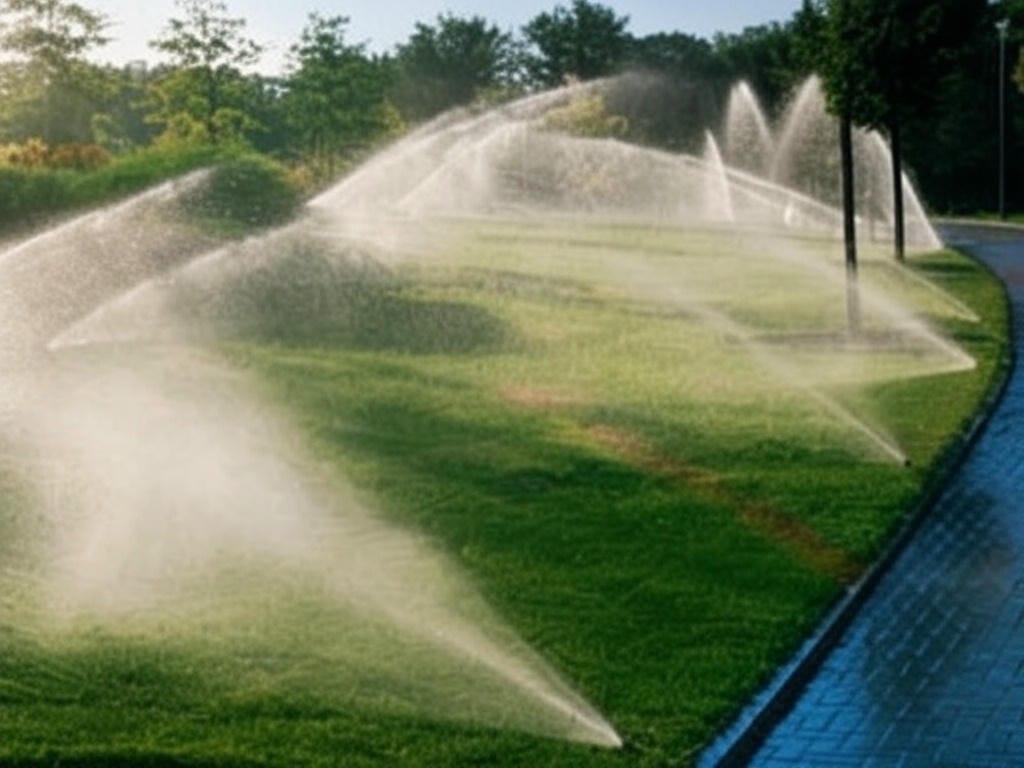
Sprinkler Installation
Sprinkler installation puts a zoned automatic watering system underground: mainline, valves, heads and a controller, plus the backflow assembly Washington requires at the point of connection. In the Puget Sound market a residential system typically runs $850 to $1,400 per zone installed, and most city lots need four to eight zones.
Details & cost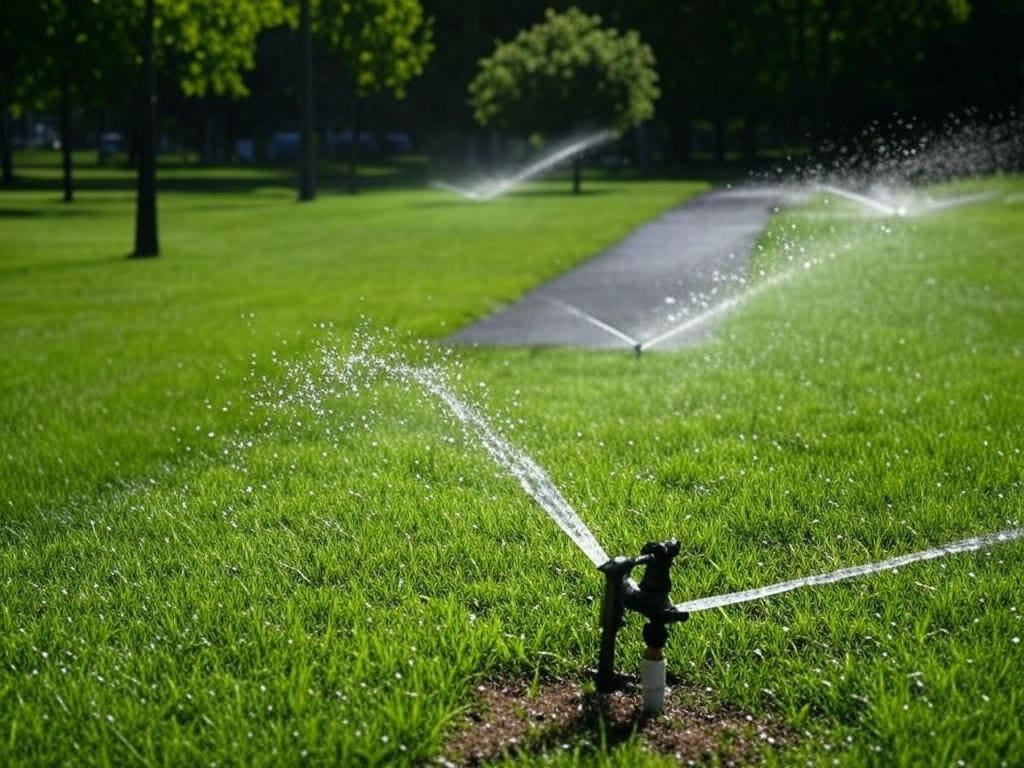
Sprinkler Repair
Sprinkler repair covers broken heads, cut laterals, failed valves, wiring faults and dead zones on an existing irrigation system. Most Puget Sound repair calls open with a diagnostic visit around $115 to $185, and the common fixes land between $25 and $425 depending on what the ground turns out to be hiding.
Details & cost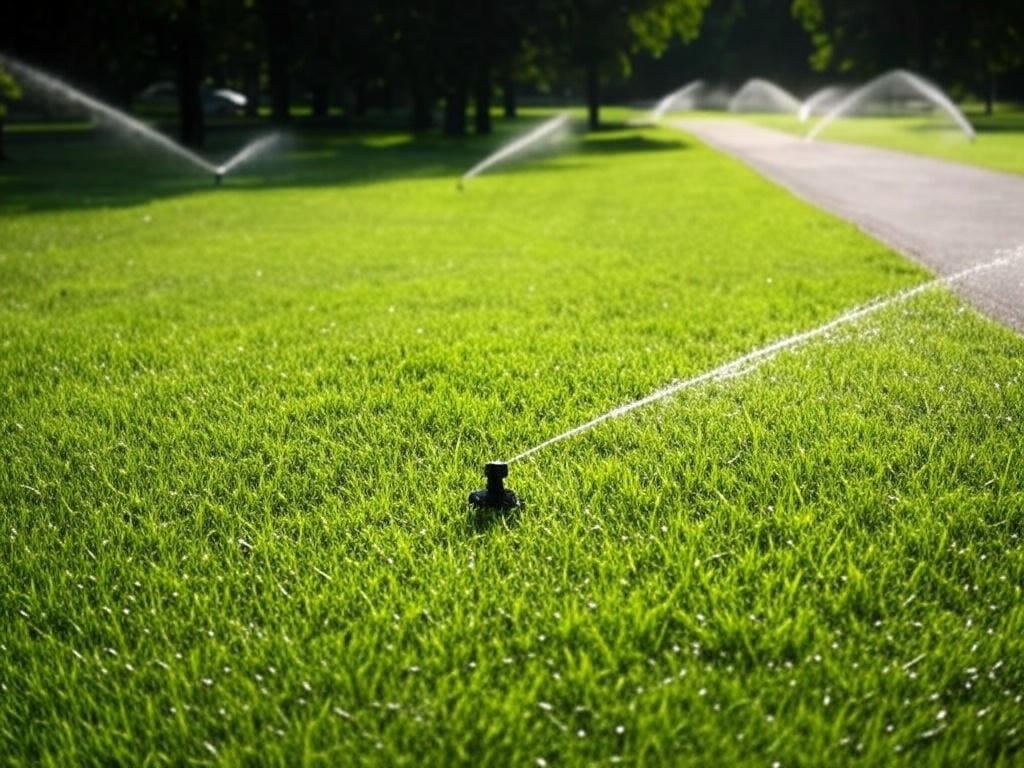
Irrigation Maintenance
Irrigation maintenance is the seasonal service that keeps a sprinkler system alive: spring start-up and coverage check, in-season programming, the annual certified backflow test, and a compressed-air blowout before the first hard freeze. Around Puget Sound expect roughly $95 to $235 per visit, or $275 to $450 for a full-year plan.
Details & cost
Irrigation: common questions
When should sprinklers be winterized in the Seattle area?
Aim for October, and treat the first week of November as the outside limit. Puget Sound lowlands usually see the first hard freeze between late November and mid-December, but early cold snaps happen. A blowout costs a fraction of what a cracked backflow assembly or a split mainline costs to repair.
How much does a sprinkler system cost in King County?
Most residential installs land between $3,000 and $8,000 depending on the number of zones, the yard size, and whether the lawn is already established — retrofitting an existing lawn costs more than installing before sod goes down. A typical quarter-acre suburban lot runs four to six zones.
Do I need a backflow preventer on my irrigation system?
Yes. Washington plumbing code requires backflow prevention on irrigation systems connected to potable water, and most cities require an annual test by a certified tester. It protects the drinking water supply from anything sitting in the irrigation lines, and it is not an optional add-on.
Can you repair a system you did not install?
Yes, and a large share of our irrigation work is exactly that. Broken heads, cut lateral lines from other trades, dead zones, stuck valves and controller faults are all routine. We diagnose first and tell you what is actually wrong before we start replacing parts.